Working in the Netherlands: Moving, work culture and job opportunities
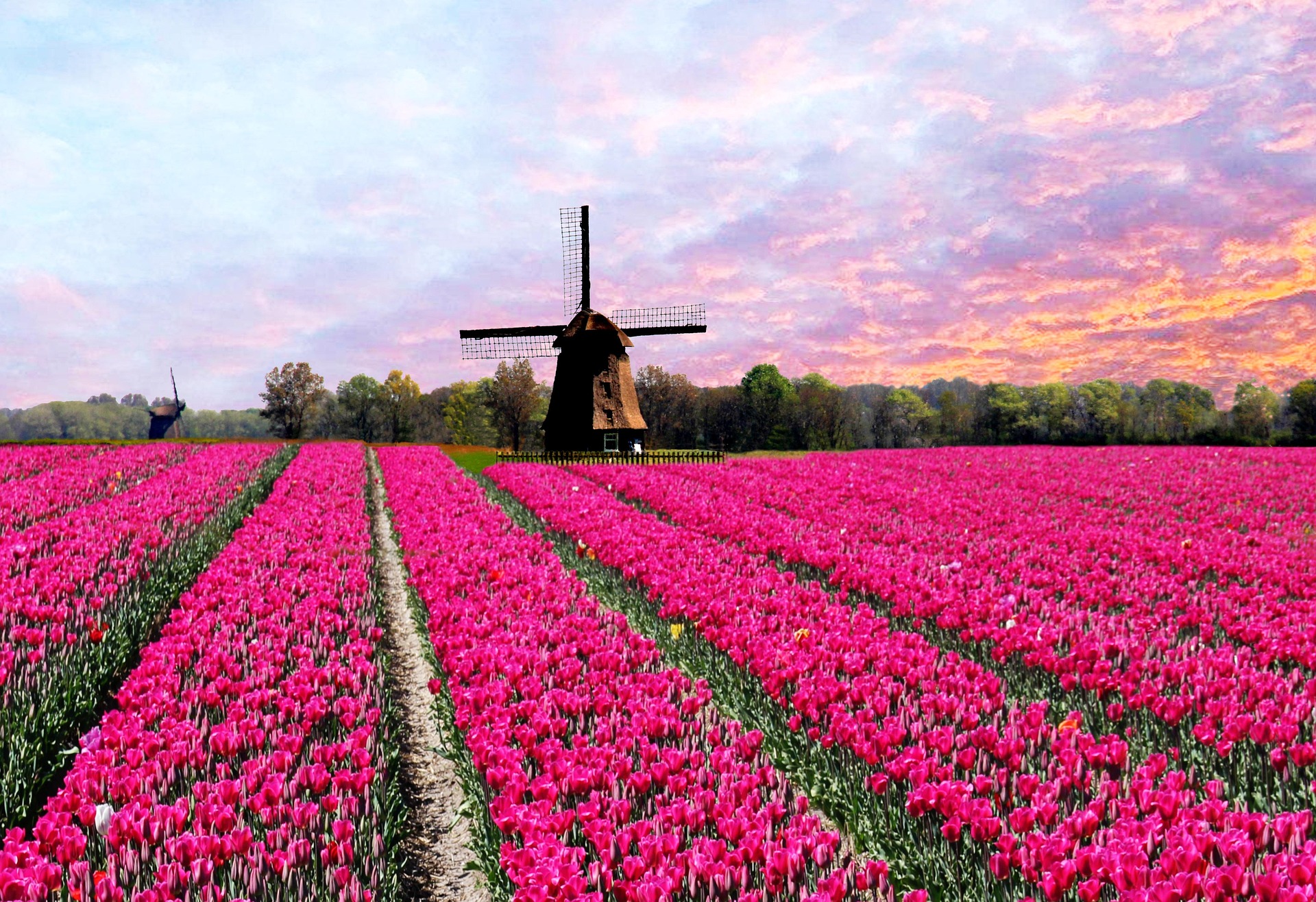
Moving to the Netherlands can be an exciting career step that offers new professional opportunities and a high quality of life. This article is aimed at anyone wishing to emigrate to work in the Netherlands and highlights key aspects such as work culture, current job opportunities, legal framework and starting your own business. Use this guide to prepare optimally for your move to the land of windmills and tulip fields.
WORK CULTURE IN THE NETHERLANDS: INSIGHTS INTO THE DUTCH WAY OF WORKING
Dutch work culture is known for its open, pragmatic and direct communication. Those who want to work in the Netherlands will quickly discover that the work environment is characterised by flat hierarchies, personal responsibility and a pronounced work‑life balance. This balanced way of working creates an environment in which employees can work with dedication without sacrificing their leisure time. According to international surveys, the Netherlands actually ranks fourth worldwide in terms of countries with the most satisfied employees – only Finland, Iceland and Denmark have even happier people. Understanding this working style and being willing to adapt are crucial for a successful start to working in the Netherlands and for a long‑term career.
An outstanding feature of Dutch work culture is the flat hierarchy and open communication. In many companies, the informal address ("je") becomes common after a short time – even with superiors. The boss often sits in an open‑plan office and is accessible to all employees. The Dutch management style is more like that of a coach who supports their team and actively asks for input, rather than a traditional commander. Decisions are made on a fact‑based, consensus‑oriented basis. Meetings are tightly scheduled, and well‑structured, factual presentations are preferred.
At the same time, great importance is placed on a clear separation between professional and private life. The Netherlands are known for their family‑friendly attitude – the statutory holiday entitlement of at least four weeks is often only the lower limit; in fact, many employers grant more days of leave. The usual full‑time working week is 36–40 hours, and overtime is not seen as a sign of commitment but as an undesirable condition. Many Dutch people therefore prefer part‑time work – over half of all employees work part‑time, which makes the work culture particularly flexible. Flexible working models such as flexitime, home office and part‑time work are widespread and actively encouraged by many companies. Home office has long been standard in the Netherlands; a draft law aims to establish home office as a legal right for certain professions.
Etiquette in the workplace
Dutch work culture places great importance on mutual respect, punctuality and, above all, direct, honest communication. The famous Dutch directness is not a sign of rudeness but is considered an expression of efficiency and respect for everyone's time. A Dutch colleague will not beat around the bush but will clearly say what works and what does not – even to their own boss. This directness is meant constructively and factually, not personally. Meetings generally begin exactly at the stated time, and deadlines are consistently met. This attitude shows respect for other people's time – a core value of Dutch work culture.
JOB OPPORTUNITIES FOR EXPATS
The Netherlands rank among the most stable and innovative economies in Europe. With an unemployment rate of around 4.1%, the labour market is robust, and the number of job vacancies remains high at nearly 400,000. This makes the Netherlands one of the countries with the tightest labour markets in Europe. The country offers German skilled professionals attractive career opportunities and a competitive salary level. Thanks to EU freedom of movement for workers, access to the Dutch labour market is particularly easy for Germans. As German citizens, you can enter visa‑free, stay and take up any job without a work permit. For permanent employment, only registration with the municipality is required, where you will receive a Burgerservicenummer (BSN) – your personal tax and social security number.
The average annual gross salary in the Netherlands in 2026 is around €48,000 (including the 8% holiday allowance). Salaries vary greatly by sector, region and level of experience. The IT sector is particularly lucrative, with average salaries of around €58,000 per year. Financial services follow with around €56,000. Healthcare offers somewhat lower but good salaries with high security. The 30% ruling is a significant tax advantage for highly skilled migrants: you can receive 30% of your gross salary tax‑free, which significantly increases your monthly net income – an important reason why the Netherlands are so attractive for international skilled professionals. The cost of living, especially rents, is high in the major cities; nevertheless, the net disposable income often remains significantly higher than in many other European countries.
JOBS IN THE NETHERLANDS FOR GERMANS: SECTORS WITH HIGH DEMAND
FREELANCERS AND ENTREPRENEURS: STARTING UP IN THE NETHERLANDS
For those wishing to work as freelancers or entrepreneurs in the Netherlands, the country offers a modern but regulatory demanding environment. The market for self‑employed persons (zzp'ers) is very dynamic. For company formation, the choice of legal form is central: sole proprietors choose the eenmanszaak, for larger projects the B.V. (similar to a GmbH). Formation is done by registering with the Chamber of Commerce (KvK), which issues a KvK number and tax number. Income tax is progressive; self‑employed persons can use tax advantages such as the self‑employed persons' allowance. Important: Since 1 January 2026, the tax authorities have tightened the rules against false self‑employment (Wet DBA). If you work like an employee, you risk fines. Support is available from the KvK, the tax authority (Belastingdienst) and business associations such as MKB‑Nederland.
Tips for freelancers
If you wish to work as a freelancer (zzp'er) in the Netherlands, you should arrange a KvK number and registration with the tax authority early on. You need to calculate the amount of advance tax payments. Be sure to observe the current case law on false self‑employment to avoid risks. A business plan and realistic financing are essential for long‑term success. The average hourly rate for self‑employed persons at the beginning of 2026 is €83 per hour.
Conclusion
The Netherlands offer German skilled professionals excellent career opportunities, attractive salaries and a high quality of life. Thanks to EU freedom of movement, access to the labour market is extremely easy. The work culture convinces with flat hierarchies, open communication and an excellent work‑life balance. Whether as an employee in one of the sought‑after sectors or as a self‑employed entrepreneur – those willing to adapt to the direct Dutch mentality and the sometimes strict rules for the self‑employed will find an ideal environment for professional and personal success in the Netherlands. KOCH Moving Logistics stands by your side as a reliable partner and ensures that your move to the Netherlands runs smoothly – so you can focus entirely on starting your career.
Our Netherlands moving service includes the following services:
- Export packaging of furniture
- Packing work complete
- Provision of packaging for overseas shipments
- Furniture dismantling
- Creation of a loading list with a number for each item
- Complete customs clearance export
- Container loading at your premises or pre-collection to our warehouse - depending on the situation
- Transportation from home/warehouse to port
- Sea freight from port to port
- Complete customs clearance import
- Transportation from port to home
- Unpacking the furniture
- Furniture assembly
- Disposal of packaging materials on the day of unloading
- Unpacking of the boxes on request - will be charged separately according to expenditure
- Terminal handling fees at the destination
- Return of the empty container to the port/terminal
KOCH Moving Logistics Ltd. offers both comprehensive service packages and individually bookable moving services for international moves to the Netherlands. Additional services are also available upon request. Just ask us!
Based on the information you provide, we will prepare a customized and transparent offer.

Your relaxed move abroad
As a German company with over 120 years of experience, we know the special features that need to be considered when moving and ensure that your move goes quickly and smoothly.
Our moving company provides you with state-of-the-art equipment and high-quality packaging material to protect your valuables and furniture in the best possible way during transportation.
As one of the most successful moving companies in Germany, we offer you a first-class service at competitive prices. We understand that every move is unique and that's why we offer customized solutions tailored to your individual needs. Come and see us, KOCH Moving Logistics, our movers and our services for for yourself - and you will soon be one of our many satisfied regular customers.
Arrange a visit with one of our customer advisors.
Arrange an appointment with one of our customer advisors. We will be happy to visit you and provide you with a detailed quote for your move to the Netherlands that fits.
To request advice or arrange an appointment, please call the company in Osnabrück on 0541 – 121 68 50.
Make an express request now!
Simply fill out our inquiry form and you will receive a non-binding offer for your moving to the Netherlands. Our competent consultants will visit you on site or plan the move with you by phone. KOCH Moving Logistics Ltd. will coordinate further planning with you by phone or during an on-site appointment.
Your contact for international moves