Leisure and recreation in Finland during your move with KOCH Moving Logistics
In addition to its economic strength, high standard of living and progressive labour market, Finland also offers an impressive variety of leisure opportunities. Anyone planning a move to Finland will find a wide range of natural experiences, cultural sights and urban leisure activities. From the historic capital of Helsinki to the picturesque coastal cities of Turku and Pori to the endless expanses of Lapland – the country opens up different lifestyles and ways of relaxing. KOCH Moving Logistics GmbH supports you in preparing your new start in a structured way. This overview shows key leisure opportunities in Finland in the context of an international relocation. All comparisons refer to the situation in Germany.
TRAVELLING IN FINLAND: TIPS ON POPULAR DESTINATIONS
HELSINKI – DESIGN, ARCHITECTURE AND ISLAND HOPPING
The capital Helsinki is the cultural and architectural heart of Finland, known for its Art Nouveau buildings, its unique design and its proximity to the archipelago. The city is built on a peninsula, surrounded by hundreds of islands that invite exploration – a situation that does not exist in Germany in this form. The city's architectural landmark is the Senate Square designed by the German architect Carl Ludwig Engel, with the cathedral, government and university. Helsinki is known for its Art Nouveau architecture, the most famous example of which is the Helsinki Central Railway Station by Eliel Saarinen. The city is also a centre of Finnish design – the design districts in Punavuori and the the Helsinki Design Districtoffer countless shops, studios and galleries showcasing world‑famous brands such as Marimekko, Iittala and Artek.
A true Helsinki experience is a trip to the archipelago. The fortress island of Suomenlinna, a UNESCO World Heritage site, is only 15 minutes by ferry from the Market Square. This former sea fortress from the 18th century offers an open‑air museum, the remains of fortress walls and extensive green spaces. The ferries are generally included in the public transport ticket – a service that does not exist in Germany. Art lovers will enjoy the Ateneum (National Gallery for Classical Art) and Kiasma(Museum of Contemporary Art). The Amos Rex Museum, an underground art gallery with a distinctive surface, is one of the city's most interesting attractions.
TURKU – THE HISTORIC CAPITAL ON THE RIVER
Turku, the oldest city in Finland (founded in 1229), was the country's first capital and is now a vibrant university city on the south‑west coast. The city lies on the Aura River, which shapes cultural and social life. Unlike German old towns, which were often heavily destroyed, Turku has preserved a considerable number of historic buildings. Turku Cathedral, the national shrine of Finland, was built in the 13th century and is the most important religious building in the country. The extensive river promenade invites walks and boat trips, lined with old warehouses that now serve as restaurants and cafés. The Luostarinmäki Handicrafts Museum is a unique open‑air museum showing an 18th‑century quarter that survived the great fire of 1827. Turku Castle (Turun linna), one of the largest surviving medieval castles in Scandinavia, is another highlight. It houses a historical museum.
TAMPERE – INDUSTRIAL CULTURE AND NATURE AMIDST LAKES
Tampere, the third largest city in Finland, is known for its fascinating blend of raw industrial culture and stunning nature. The city lies between two large lakes, Näsijärvi and Pyhäjärvi, whose 18‑metre height difference creates the fast rapids that once provided energy for industry. This landscape is not found in Germany. The former factory buildings on the riverbank now house Vapriikki – a museum centre that combines the Finnish Ice Hockey Museum, the Natural History Museum, the Mineral Cabinet and the Textile Museum under one roof. The Finlayson Palace, the largest cotton mill in Scandinavia in the 19th century, is another industrial monument.
In winter, the landscape transforms into an extensive cross‑country skiing area. The Pyynikki Observation Tower with its café (famous for its doughnuts) offers spectacular views over the lakes and the city. Tampere is also an important centre of Finnish theatre and music culture, with the Tampere Theatre Festival as one of the most significant festivals in Europe. The Särkänniemi Theme Park offers an amusement park, an aquarium, a planetarium and an observation tower – an attraction that is unique in Germany.
LAPLAND – ARCTIC WILDERNESS, NORTHERN LIGHTS AND THE MIDNIGHT SUN
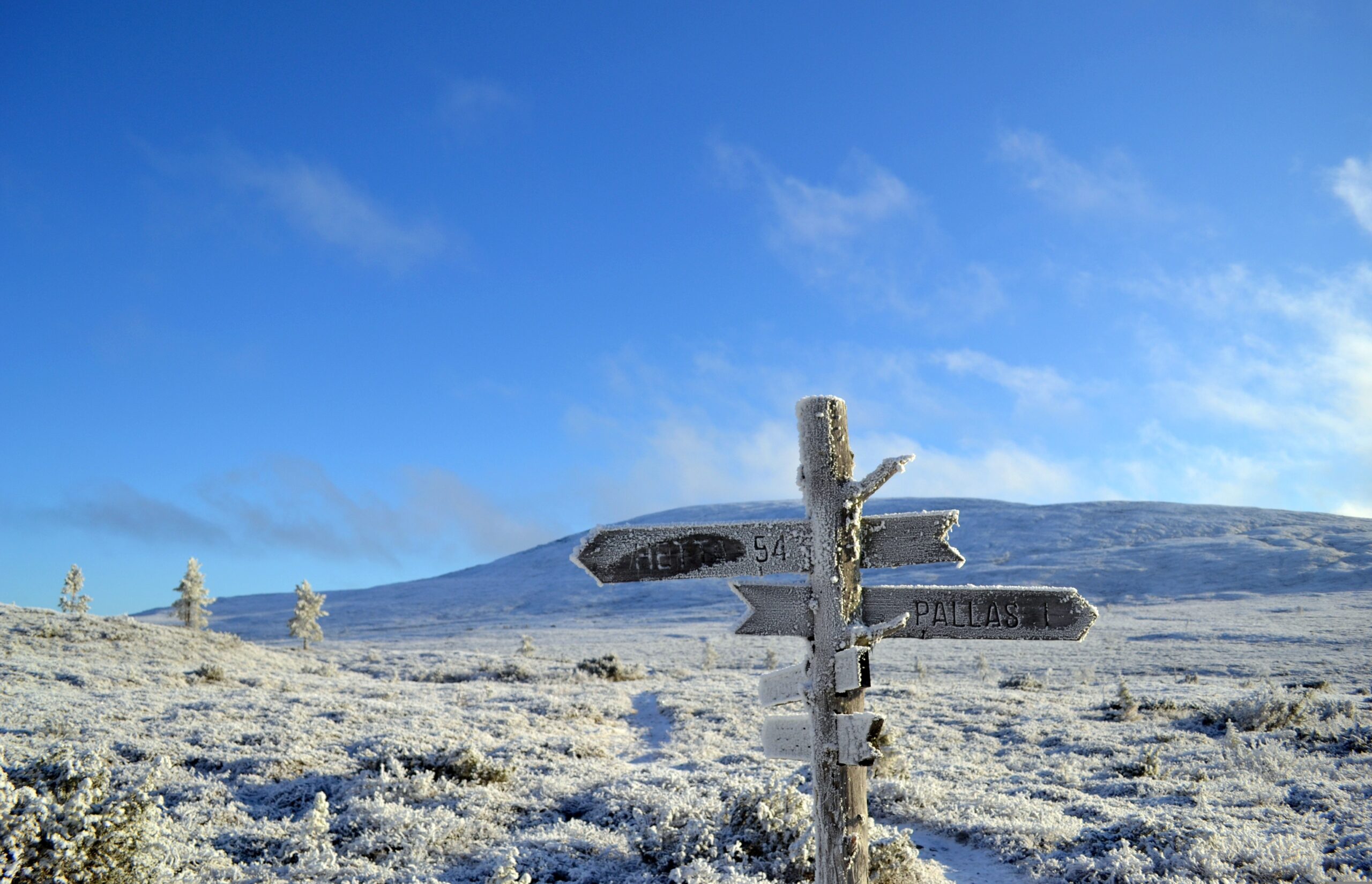
Finnish Lapland is a vast, sparsely populated area of untouched wilderness, bordering Sweden, Norway and Russia. The region is famous for its spectacular nature, the magical northern lights in winter and the midnight sun in summer. In winter, the landscape transforms into a winter wonderland with frozen lakes, dense forests and the fascinating opportunity Aurora Borealis (Nordlichter) to observe the Aurora Borealis (northern lights) – a natural phenomenon that does not exist in Germany. The northern lights are most likely to be seen between September and March. In summer, north of the Arctic Circle you experience the midnight sun, where the sun does not set for weeks.
Lapland is the heart of Sámi culture, the indigenous population of the region. Visitors can visit Sámi villages, observe reindeer herds and learn about traditional crafts. The city of Rovaniemi is considered the official home of Santa Claus (Joulupukki). Santa Claus Village is located exactly on the Arctic Circle and is open all year round. In Germany, there is no comparable attraction of this kind. Urho Kekkonen National Parkoffers untouched wilderness that can be explored both in winter and summer.
NUUKSIO NATIONAL PARK – WILDERNESS ON THE DOORSTEP OF HELSINKI
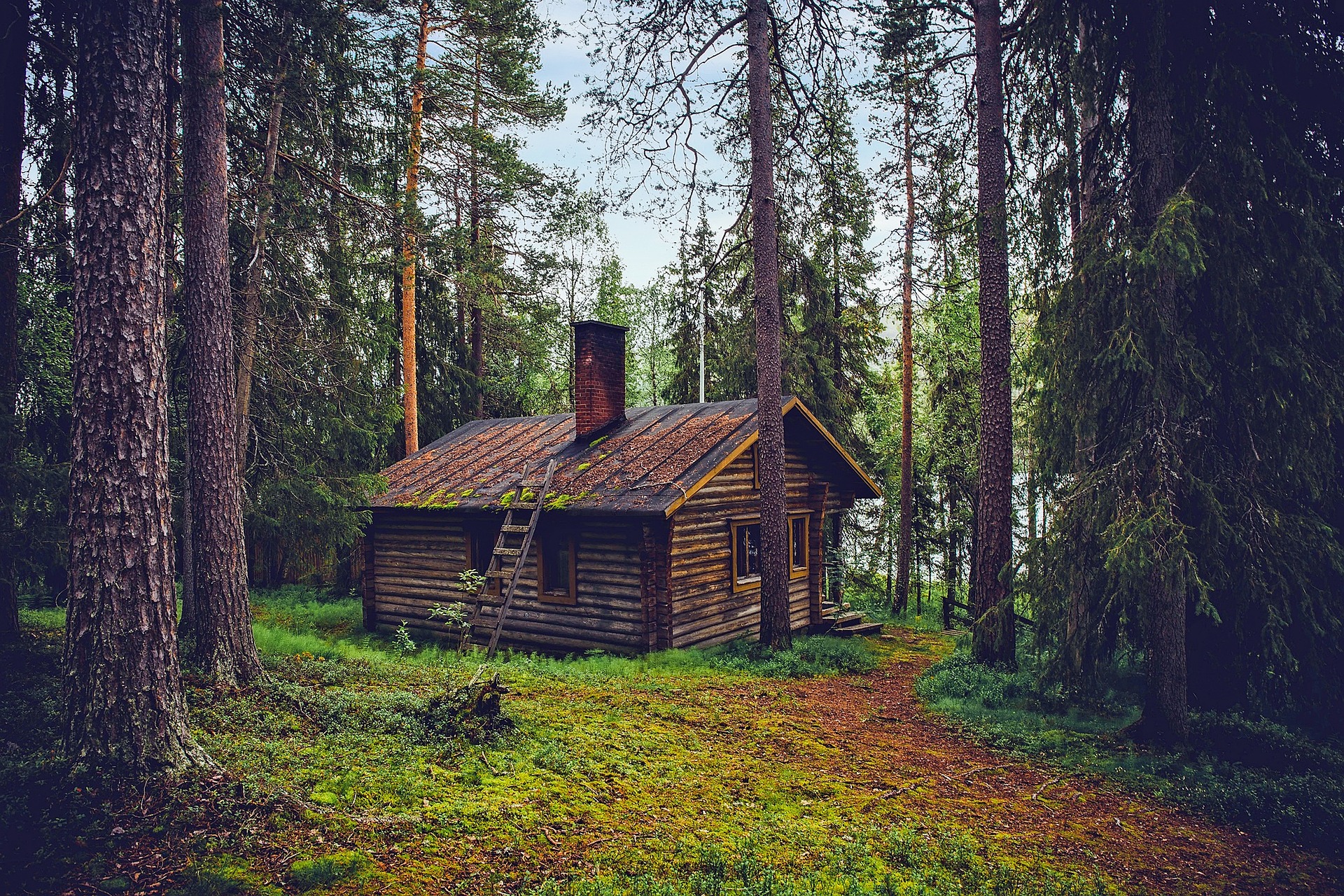
Nuuksio National Park is only a 40‑minute bus ride from the centre of Helsinki – a green oasis in close proximity to urban life that does not exist in Germany in this form. The park is known for its impressive rock formations, deep blue lakes and dense, centuries‑old forests. The well‑marked hiking trails (the most popular is the 4.7‑mile Korpinkierros Trail) lead past moss‑covered rocks, over wooden boardwalks along wetlands and to the calm waters of the lakes. The Right of Public Access (jokamiehenoikeus) also allows you to enjoy nature here.
A special attraction is the Haltia Nature Centre, a modern wooden building that provides information about Finnish nature. The park is perfect for a day picnic, a canoe adventure, fishing or a birdwatching trip. For children, there is a separate adventure trail. In winter, Nuuksio transforms into a cross‑country skiing paradise with groomed trails. In Germany, Jasmund National Park on Rügen is beautiful, but not comparable to the peace and vastness of Nuuksio.
OUTDOOR ACTIVITIES IN FINLAND
HIKING: FROM EASY FAMILY WALKS TO MULTI‑DAY TREKKING TOURS
Finland has one of the best hiking trail networks in Europe, stretching across more than 40 national parks – a selection that does not exist in Germany. The terrain ranges from gentle paths through old forests to more demanding routes over treeless, rounded mountains in Lapland. The most famous long‑distance trail is the Karhunkierros (Bear's Trail) in Oulanka National Park near Kuusamo. The 82‑kilometre trail is Finland's first trekking route and one of the country's most popular hikes. The route leads through deep gorges, past raging rivers with thundering waterfalls and across the famous suspension bridges. For hikers with less time, the Pieni Karhunkierros (Little Bear's Trail) at 11.7 kilometres is a good alternative, showcasing the highlights of the landscape.
The Urho Kekkonen National Park in the far north‑east offers a range of marked trails of varying lengths. The Kevo Kanyon – one of the most spectacular gorges in the country – is a major destination. Thanks to the Right of Public Access, camping in the wilderness is permitted almost everywhere – a freedom that does not exist in Germany in this form.
WATER SPORTS: FISHING, CANOEING AND THE FINNISH LAKE DISTRICT
Finland is called the "land of a thousand lakes" – in fact, there are nearly 200,000 lakes, making it one of the most water‑rich countries in the world. The Finnish Lake District in the east is the largest lake region in Europe and offers countless opportunities for canoeing, fishing and boating. Unlike in Germany, where access to waters for leisure activities is often restricted by nature conservation laws and private property, the Lake District in Finland is largely freely accessible and ideal for multi‑day tours.
Fishing is a national sport in Finland. The Right of Public Access allows angling with a rod and ice fishing in most waters free of charge – a significant difference from Germany, where fishing generally requires a paid fishing licence. For fishing with reels or trawls, a paid fishing card is required. Salmon, trout, grayling and perch are the most sought‑after fish. The famous Finnish mökki culture often includes a wooden house with a sauna directly on the lakeshore, from where you can start fishing in the morning.
SKIING: FROM THE SLOPES OF LAPLAND TO CROSS‑COUNTRY TRAILS
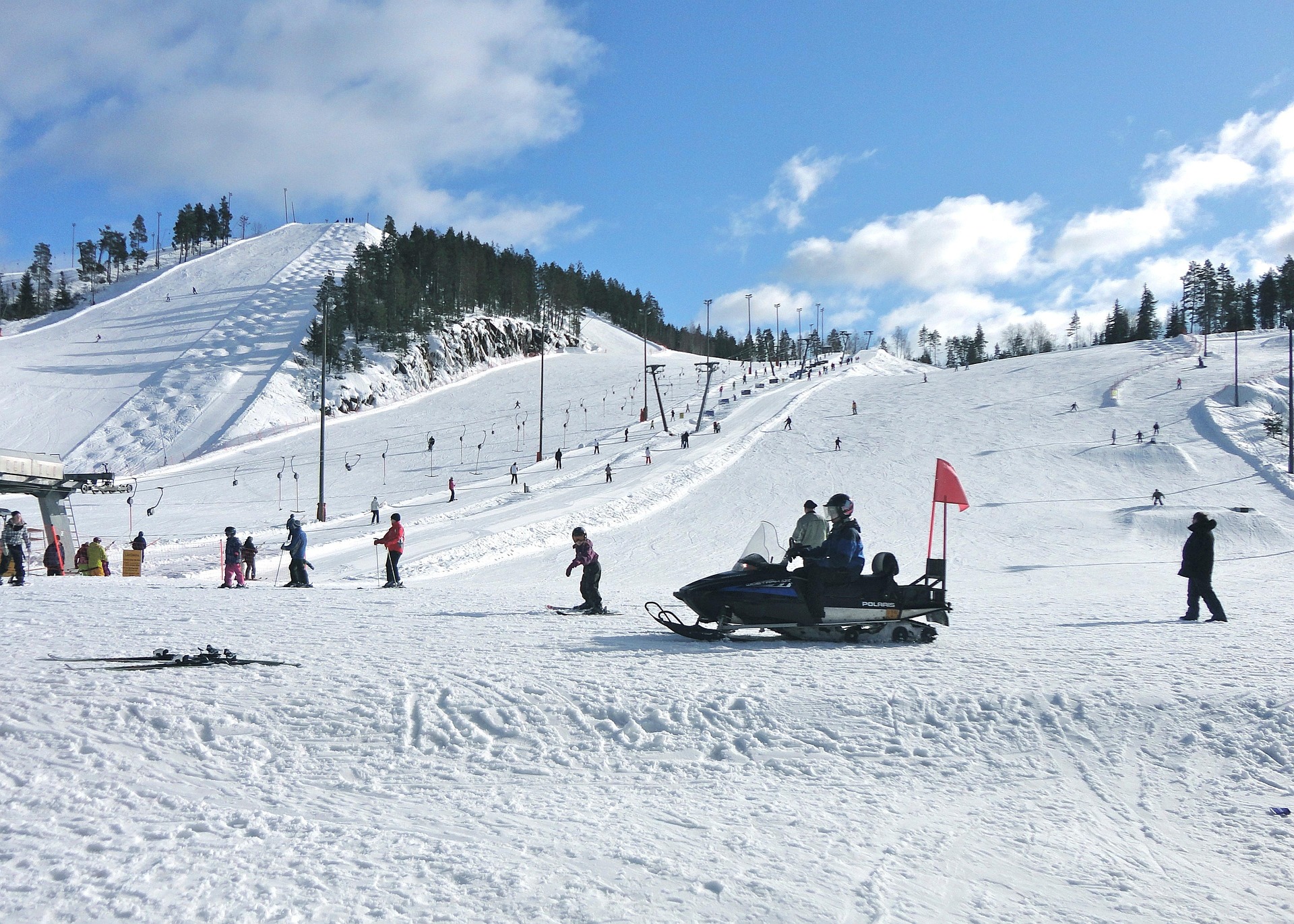
Finland is the home of skiing. Finnish sauna culture has made a name for itself worldwide, but the Finns are also a nation of winter sports enthusiasts. The successes of skiers at the Olympic Games and World Championships are legendary. The largest and best‑known ski resort is Levi in Lapland. With over 43 slopes and a long ski season (October to May), it is the largest ski resort in Finland and hosts alpine World Cup races. Compared to the large German ski areas such as the Zugspitze region or the Black Forest, Levi offers longer snow reliability and a greater variety of activities.
Other popular ski resorts are Ruka (near Kuusamo), which is one of the snowiest areas in Europe, and Ylläs, the largest ski resort in Finland with 61 slopes and over 200 kilometres of cross‑country trails. Vuokatti is famous for its unique tunnel ski area, which operates all year round – a concept that does not exist in Germany. Finnish ski culture offers not only downhill skiing but also cross‑country skiing, snowmobiling, husky safaris and snowshoe hiking. In the Levi region, there are also opportunities to go ice fishing.
SAUNA CULTURE – THE TRADITIONAL FINNISH NATIONAL SANCTUARY
The Finnish sauna is far more than a wellness experience – it is a national sanctuary and an integral part of Finnish identity. The sauna accompanies Finns from birth to death, serves to cultivate business relationships and is often used to solve problems. Sauna culture was added to the UNESCO List of Intangible Cultural Heritage in December 2020. In Germany, the sauna is also popular, but nowhere near as deeply rooted in society. In Finland, there are more than three million saunas for about 5.5 million inhabitants – more saunas than cars.
The traditional Finnish sauna is a wood sauna heated with a wood‑fired stove. The temperature is between 70 and 100 degrees Celsius. Throwing water (löyly) on the hot stones is a ritual that can be performed by any bather. This is followed by a bath in the cold water of the lake or a jump into the snow. This hardening is a popular tradition in Finland, rarely practised in Germany. Many Finns have their own sauna in their house or holiday home. In the Finnish sauna, all people are equal, regardless of their social status. Business meetings in the sauna are not uncommon.
CULINARY SPECIALITIES: FROM KARELIAN PASTIES TO REINDEER DISHES
Finnish cuisine is hearty, down‑to‑earth and strongly influenced by Swedish and Russian cuisine, based on the ingredients that Finnish nature provides: fish, game, berries and mushrooms. Unlike German cuisine, which is very different regionally (from Bavarian roast pork to north German labskaus), Finnish cuisine is more uniform and simple. The dishes are often simple and use few spices.
The Karelian pasty (karjalanpiirakka) is a small pastry made of rice pudding or mashed potato, wrapped in a rye dough shell, traditionally served with egg butter – an absolute national dish that does not exist in Germany. Reindeer stew (poronkäristys) is eaten especially in Lapland, served with lingonberries and mashed potatoes. Since reindeer meat is hard to find in Germany, this is a unique culinary experience. Salmon soup (lohikeitto)is a creamy soup with fresh salmon, potatoes and dill. Finnish rye bread (ruisleipä) is a dense, sour bread that is a daily staple. Finnish pancakes (pannukakku) are a popular dessert.
A breakfast in Finland might include muesli, yoghurt, rye bread, liver pâté (maksamakkara), a salad and a piece of fruit. Lunch might be kalakukko (fish baked in bread) or classic Finnish pea soup. Finnish cuisine is also rich in mushrooms (especially chanterelles) and berries (cloudberries, blueberries, lingonberries), which may be freely picked in the forests – a privilege granted by the Right of Public Access. Alcoholic beverages: beer (olut) is the most consumed alcoholic drink, followed by spirits such as Koskenkorva (a clear vodka). Sahti, a traditional top‑fermented beer, is another regional speciality.
Conclusion
Finland offers an impressive variety of leisure opportunities that are second to none in Europe. From the historic capital of Helsinki to the picturesque coastal cities of Turku and Pori to the endless expanses of Lapland – the country holds the right experience for every taste. Whether enthusiastic hiker, passionate angler, experienced skier or culture lover: those who emigrate to Finland discover not only a new home but also a world full of discoveries and relaxation. The well‑developed network of hiking trails, the Right of Public Access (jokamiehenoikeus) and the deeply rooted Finnish outdoor mentalitymake it easy to enjoy leisure time to the fullest. With KOCH Moving Logistics as your partner, you can focus on exploring your new life in this multifaceted country – your move is in the best hands with us.
Our Finland moving service includes the following services:
- Export packaging of furniture
- Packing work complete
- Provision of packaging for overseas shipments
- Furniture dismantling
- Creation of a loading list with a number for each item
- Complete customs clearance export
- Container loading at your premises or pre-collection to our warehouse - depending on the situation
- Transportation from home/warehouse to port
- Sea freight from port to port
- Complete customs clearance import
- Transportation from port to home
- Unpacking the furniture
- Furniture assembly
- Disposal of packaging materials on the day of unloading
- Unpacking of the boxes on request - will be charged separately according to expenditure
- Terminal handling fees at the destination
- Return of the empty container to the port/terminal
You can book one of our all-round carefree packages for a stress-free move or take advantage of individual removal services. In addition to the removal services already mentioned, we also offer special services and additional services for removals of all kinds. Just ask us and together we will quickly find the optimal solution for any removal challenge, no matter how big or small. Send us an inquiry and we will prepare an individual offer for you.
Your relaxed move abroad
As a German company with over 120 years of experience, we know the special features that need to be considered when moving and ensure that your move goes quickly and smoothly.
Our moving company provides you with state-of-the-art equipment and high-quality packaging material to protect your valuables and furniture in the best possible way during transportation.
As one of the most successful moving companies in Germany, we offer you a first-class service at competitive prices. We understand that every move is unique and that's why we offer customized solutions tailored to your individual needs. Come and see us, KOCH Moving Logistics, our movers and our services for for yourself - and you will soon be one of our many satisfied regular customers.
Arrange a visit with one of our customer advisors.
Arrange an appointment with one of our customer advisors. We will be happy to visit you and provide you with a detailed quote for your move to Finland that fits. If you need advice or have any questions, please contact us in Osnabrück on the following telephone number 0 541 – 121 68 50. We look forward to helping you!
Make an express request now!
Simply fill out our inquiry form and you will receive a non-binding offer for your move. Our competent consultants will visit you on site or plan the move with you by phone.
Your contact for international moves
Christian Braunschweig