
Moving to Japan – Your International Move with KOCH
What do I need to consider when moving from Germany to Japan?
When moving to Japan, you need to consider not only international transportation but also Japanese import regulations. Household goods can often be transported by sea freight in a container. It is important to declare your household goods as unaccompanied baggage to Japanese Customs when you personally enter the country. KOCH Umzugslogistik supports you with the planning, packing and organisation of your international move.
Welcome to Japan – We Organise Your Move from Germany
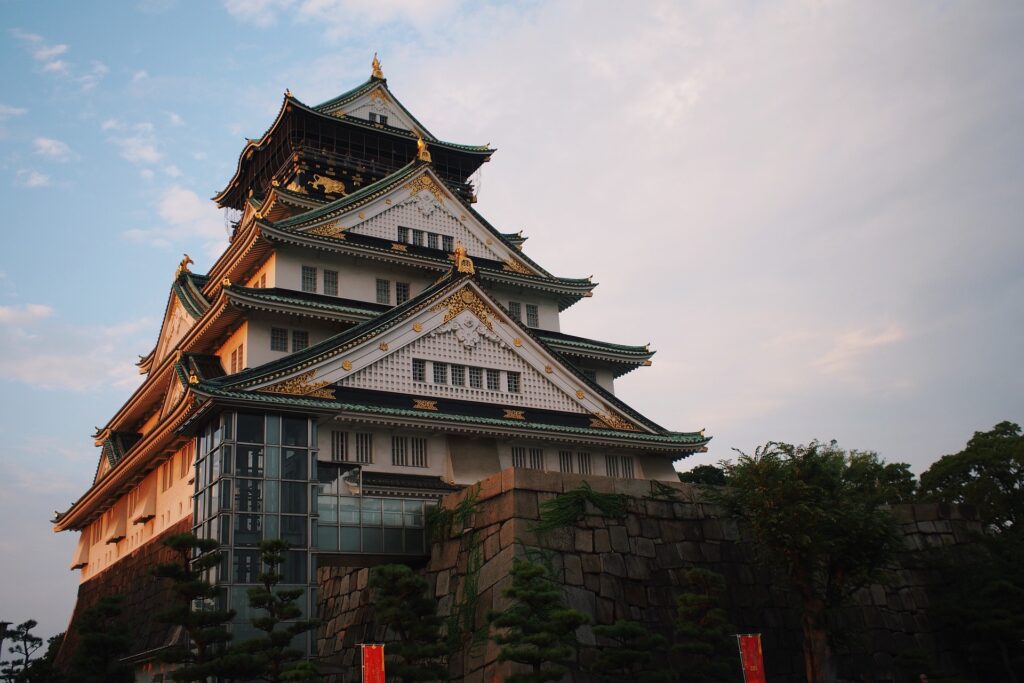 An international move to Japan means starting a new chapter in a country that combines modern metropolises, a rich cultural heritage and impressive landscapes. To help you focus on your arrival and settling into your new home, the transportation of your household goods should be planned carefully and well in advance.
An international move from Germany to Japan involves specific logistical requirements. The long distance, the frequently used sea freight transport and Japanese import regulations all need to be taken into account. KOCH Umzugslogistik supports you with the planning and coordinates the agreed services – from packing to the transportation of your household goods.
With more than 125 years of experience, over 40,000 completed moves and moving services to more than 180 countries, we are your reliable partner for international relocations.
Why Choose KOCH for Your Move to Japan?
Moving to Japan requires experience with international transport procedures and careful coordination of the individual services. We support you from your initial enquiry through to the preparation of your household goods.
- More than 125 years of experience: We have extensive experience in the removals industry.
- International moves: We organise relocations to more than 180 countries.
- Personal support: You have a dedicated contact person to coordinate your move.
- Individual planning: We take the volume of your household goods and your personal requirements into account.
- Comprehensive services: From packing and furniture assembly to the coordination of international transportation.
- Individual quotation: Following an on-site or video survey, we prepare a quotation tailored to your move.
What Should You Consider When Moving from Germany to Japan?
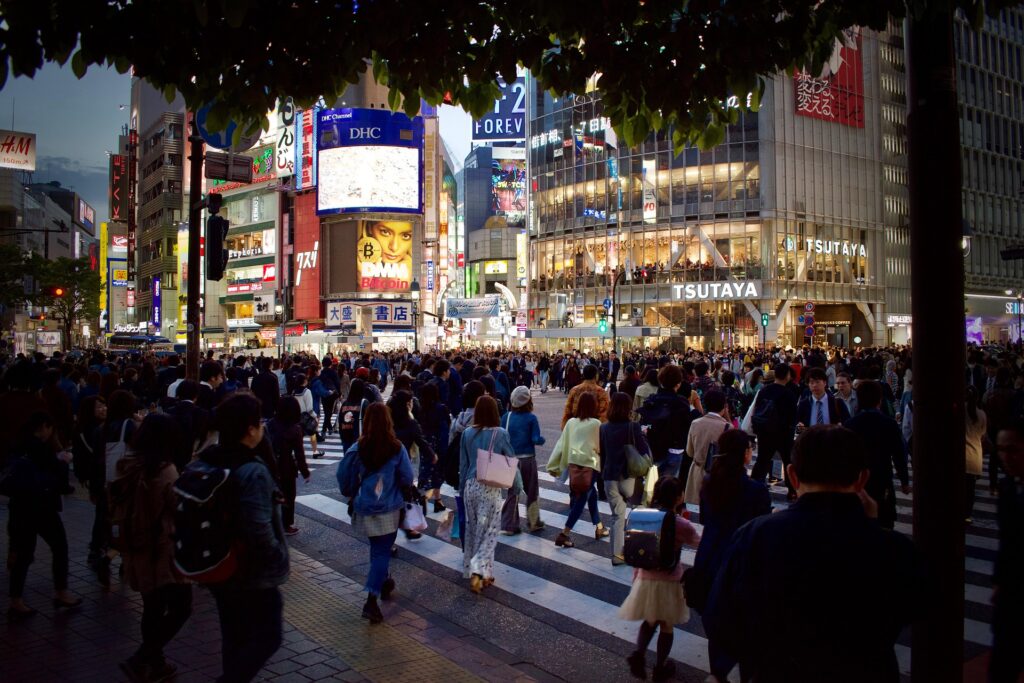 When moving to Japan, you should organise not only the transport route but also the import of your household goods well in advance. Japan is not part of the EU Customs Union. Therefore, separate customs regulations apply to personal belongings and furniture imported into the country.
Under certain conditions, used household goods may qualify for customs and tax exemptions. To benefit from these exemptions, you must correctly declare your arrival and separately transported belongings to Japanese Customs. One particularly important point is that the customs formalities for unaccompanied household goods begin when you personally enter Japan.
The packaging also requires special attention. Your household goods must be prepared to withstand a long transport journey and potentially several handling stages. We help you coordinate the individual steps of your move efficiently.
Our Services for Your Move to Japan
Depending on the size of your move and your preferences, you can choose individual services or arrange a more comprehensive moving package.
How Your Move to Japan Works
An international move is easier to organise when the individual steps are established well in advance. We guide you through the preparation process and coordinate the agreed services with you.
Swipe left/right to see more
Customs Regulations for Moving to Japan
Japan has its own regulations governing the import of personal belongings and household goods. If you are relocating your residence to Japan and intend to live there long-term, you may be able to import used household goods duty-free under certain conditions.
According to Japan Customs, the simplified import procedure for household goods is subject to several requirements:
- You must have lived outside Japan for more than one year before returning, or intend to stay in Japan for more than one year.
- The items must be personal household goods and belongings used by you or your family.
- The quantity must be consistent with the needs of an ordinary private household.
- As a general rule, the goods must be imported and cleared through customs within six months of your arrival in Japan.
Particularly Important: Declaring Unaccompanied Household Goods
If your household goods are shipped separately to Japan by sea freight or another means of transport, they are considered unaccompanied household goods. In this case, you must submit a declaration covering both accompanied and unaccompanied belongings to Japanese Customs in duplicate when you personally enter the country.
One copy will be returned to you with confirmation from Customs. You will need this stamped document later to clear your separately arriving shipment through customs. As a general rule, it is not possible to submit this declaration retrospectively after entering Japan.
Your shipment must generally be cleared through customs within six months of your arrival in Japan. Therefore, keep your confirmed customs declaration in a safe place and coordinate the shipping schedule with your transport arrangements well in advance.
Special Import Restrictions
Not all items can be imported into Japan without restrictions. Certain goods are subject to import bans, restrictions or additional permits and inspection requirements.
The following categories require particular attention:
- Food and meat products: Many meat and sausage products are prohibited. Vacuum-packed or commercially processed products are not automatically permitted either.
- Plants and plant products: Strict phytosanitary regulations apply to many plants, fruits, vegetables and seeds. A phytosanitary certificate is often required.
- Animal products: Certain goods are subject to inspections and special import requirements.
- Medication: Medicines are subject to separate import regulations and, in some cases, quantity restrictions.
- Protected animal and plant species: Items made from protected species may fall under the Convention on International Trade in Endangered Species of Wild Fauna and Flora (CITES).
Before packing, check whether your shipment contains any items subject to special regulations. If you are unsure, contact the relevant Japanese authorities well in advance.
How Much Does It Cost to Move to Japan?
The Price of moving from Germany to Japan depends on various factors. Since the transport distance is considerable and container shipping is frequently used, an individual quotation is recommended.
The main cost factors include:

Living in Japan: What Should You Know Before Moving?
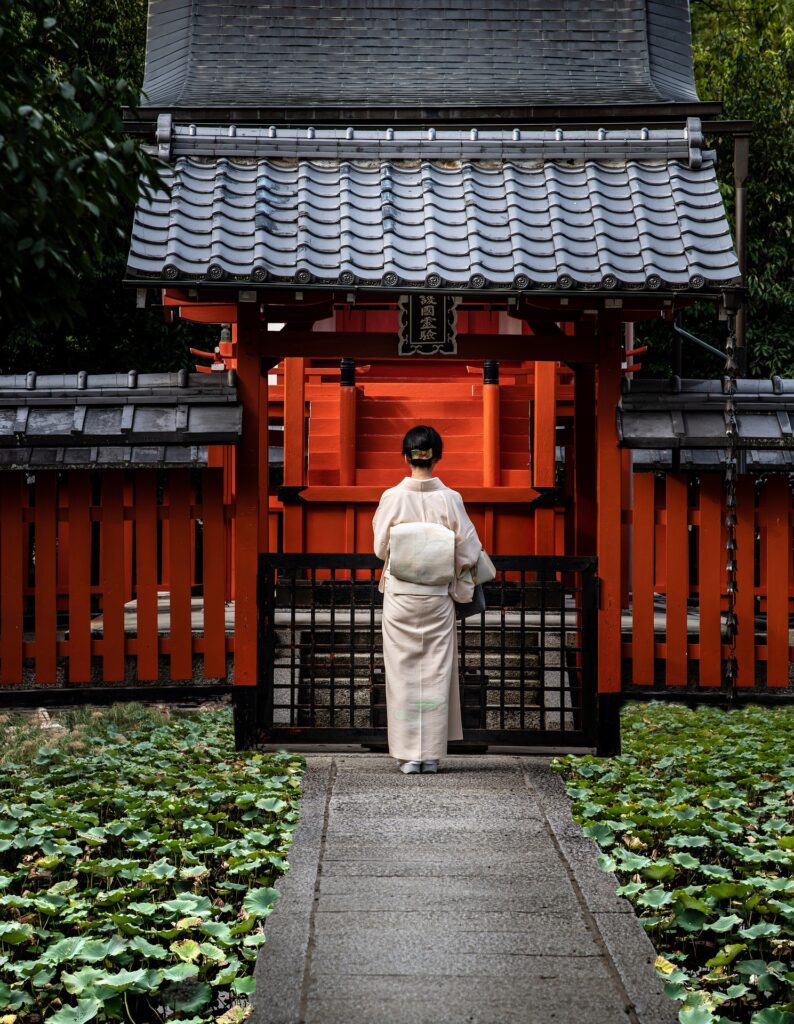 In addition to transporting your household goods, there are several other topics you will need to consider before moving to Japan. Residence regulations, finding accommodation, career opportunities and integration into Japanese society should all be addressed as early as possible.
Our guides provide an initial overview to help you prepare for this new chapter in your life.
Living and Working in Japan
Japan combines a rich cultural heritage with modern economic and social structures. Find out more about everyday life, the working environment and important organisational matters for your fresh start.
Entry and Residence Requirements
Anyone planning to move to Japan should find out about visas, residence status and possible long-term residence options well in advance. The applicable requirements depend on the individual purpose of your stay.
Finding Accommodation and the Property Market
The Japanese property market offers a variety of housing options. In addition to traditional rental apartments, there are options such as share houses and so-called Gaijin Houses. Learn more about the specifics of finding accommodation and the requirements for renting a property.
Working in Japan
Starting a new career in Japan offers exciting opportunities but also involves specific challenges. These include Japanese workplace culture,job hunting and the necessary residence and work permits.
Schools and Education for Children
If you are moving to Japan with your family, choosing the right school is particularly important. In addition to the Japanese education system, there are international schools and other educational opportunities for children from abroad.
Healthcare System and Health Insurance
Before moving, you should familiarise yourself with medical care and health insurance options in Japan. The type of coverage available to you depends, among other things, on your residence status and personal circumstances.
Taxes and Finances
Changing your country of residence to Japan may affect your tax situation and financial arrangements. Find out about the Japanese tax system, bank accounts and international money transfers.
Cultural characteristics
Japanese traditions,social etiquette and modern lifestyles all shape everyday life. Familiarising yourself with cultural differences in advance can make it easier to settle into your new surroundings.
Leisure and recreation
From historic temples and gardens to hiking trails, coastal landscapes and modern city districts, Japan offers plenty of opportunitiesto enjoy your free time and explore the country.
Japanisch lernen und Integration
Knowledge of Japanese makes many everyday situations easier – from dealing with authorities and finding accommodation to communicating in a professional environment. Understanding social etiquette can also help you settle in more easily.
Frequently Asked Questions About Moving to Japan
For larger moves, sea freight in a shipping container is often a suitable option. Your household goods are prepared in Germany for the long journey and shipped to Japan. The most appropriate transport solution depends on the volume of your shipment and your schedule.
Used household goods may be imported duty-free when relocating your residence, provided certain conditions are met. According to Japan Customs, you must have lived abroad for more than one year before your move or intend to stay in Japan for more than one year. In addition, the items must be imported within six months of your arrival in Japan. The exact requirements should be checked before shipping your belongings.
Yes. If you ship your household goods separately to Japan, you must declare them as unaccompanied baggage when you personally enter the country. To do so, you must submit two copies of the Declaration of Accompanied and Unaccompanied Articles to Japanese Customs. You will need the stamped copy later to clear your shipment through customs.
As a general rule, unaccompanied items must be cleared through customs within six months of your arrival in Japan. Therefore, make sure to coordinate the shipping schedule with your own arrival. If special circumstances apply, you should contact Japanese Customs in advance to enquire about the available options.
Strict import restrictions apply to certain goods. These include, in particular, many meat and sausage products, as well as numerous plants and plant products. Medicines, protected animal and plant species, and other regulated goods may also be subject to special requirements. Make sure to check the applicable import regulations before shipping your belongings.
The duration depends on the chosen transport solution, the route, the availability of transport capacity and customs clearance. For sea freight shipments, you need to consider not only the actual sea journey but also collection, packing, loading and final delivery. We will discuss the estimated timeframe with you during the planning process.
Whether transporting individual pieces of furniture can be arranged efficiently depends on the size, weight and overall volume of the shipment. We will review your enquiry and discuss the available transport options with you.
The cost depends on several factors, including the volume of your household goods, the type of transport, packing requirements, additional services and import requirements. Following an on-site or video survey, we will prepare an individual quotation tailored to your move.
Planning Your Move to Japan?
- International moves to more than 180 countries
- More than 125 years of experience
- More than 40,000 completed moves
- Free on-site or video survey
No-obligation. Transparent. Fast.
Whether you are moving to Tokyo, Osaka, Kyoto or another region of Japan, get in touch with us to discuss your plans. Following an on-site or video survey, we will prepare an individual quotation and discuss the next steps with you.