Cultural characteristics of Norwaz: discover traditions, art and lifestyle
Norway is a country full of fascinating cultural traditions and modern Nordic lifestyle. For those planning a move to Norway, the country offers a unique blend of centuries‑old customs, a deep connection to nature and a pronounced culture of equality. This article provides you with a comprehensive overview of Norwegian culture and is a helpful companion for your emigration plans with KOCH Moving Logistics.
Holidays and festivals
Norwegian Constitution Day is the most important festival in the country. It commemorates the signing of the Norwegian constitution on 17 May 1814. Unlike in Germany, where German Unity Day on 3 October is marked by official ceremonies, 17 May is a popular festival of superlatives. Norwegians wear their national costume (bunad) – a garment that exists in over 200 regional variants – and children parade through the streets in colourful school parades with flags and music. The entire population is on its feet, and Norwegian national pride is celebrated in a confident but never intrusive manner.
Midsummer Festival is one of Norway's most popular folk festivals. On the evening of 23 June, Norwegians light huge bonfires along the coasts, on which a straw effigy is traditionally burned – similar to the German "witch fire" tradition – to commemorate the summer solstice and drive away evil spirits. Everywhere in the country, from coastal towns to city squares, people gather to celebrate. Midsummer Festival is significantly more popular in Norway than in Germany, especially north of the Arctic Circle, where the midnight sun provides perpetual daylight.
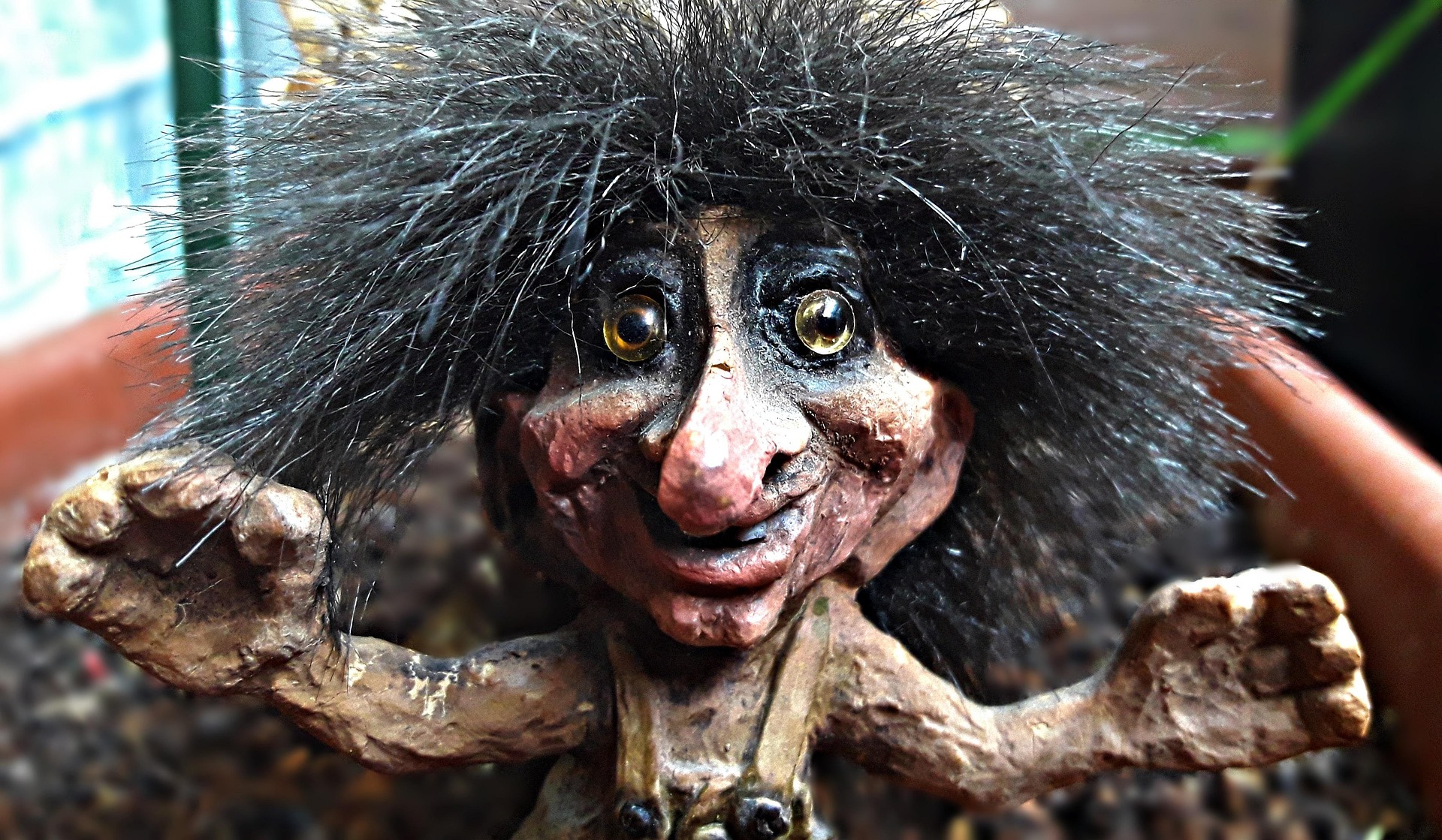
The Christmas season is of particular importance in Norway. Norwegians celebrate Christmas on Christmas Eve (julaften) with their families – on 24 December, they dance around the Christmas tree after dinner. Unlike in Germany, where Santa Claus brings the gifts, in Norway it is the Julenisse – a kind of Christmas gnome who places the presents under the Christmas tree. Traditionally, a bowl of porridge is placed in front of the door for the nisse on Christmas Eve to keep them in good humour. An absolute highlight is the Julebord, a festive Christmas meal with colleagues, featuring traditional dishes such as ribbe (pork ribs), pinnekjøtt (dried and steamed lamb ribs) and lutefisk (stockfish).
Easter is one of the most important festive seasons of the year in Norway. Unlike in Germany, where Easter is primarily a family celebration at home, Norwegians often go on holiday to their mountain cabins (hytte) during Easter week (påskeferien). The remaining snow is used for cross‑country skiing, and traditional crime novels (påskekrim) are read. Maundy Thursday (skjærtorsdag) and Good Friday (langfredag) are public holidays, as are Easter Sunday and Easter Monday.
Primarily in central Norway, St. Olav's Festival still has great significance today. It commemorates King Olaf the Holy, who fell in the Battle of Stiklestad in 1030. The Nidaros Cathedral in Trondheim was built at his resting place and remains an important pilgrimage site to this day. 29 July is celebrated with festivals, concerts and historical theatre performances – a festival that has no direct equivalent in Germany.
NORWEGIAN CUISINE – HEARTY, DOWN‑TO‑EARTH AND MARITIME IN CHARACTER
JANTELOVEN – THE CULTURAL FUNDAMENTAL LAW OF SCANDINAVIA
Janteloven (literally: the Jante Law) is not a state law but a cultural code that shapes social interaction throughout Scandinavia. It goes back to the Danish‑Norwegian writer Aksel Sandemose, who listed the laws of a fictional small town called Jante in his 1933 novel "A Fugitive Crosses His Tracks". The ten commandments are: You shall not believe that you are something special; you shall not believe that you are as good as us; you shall not believe that you are smarter than us; you shall not imagine that you are better than us; you shall not believe that you know more than us; you shall not believe that you are worth more than us; you shall not believe that you are good for anything; you shall not laugh at us; you shall not believe that anyone cares about you; you shall not believe that you can teach us anything.
In everyday life, Janteloven often works subtly: it influences how people speak, behave and present their achievements. Unlike in Germany, where personal achievements and self‑promotion are more socially accepted, Norwegians tend to downplay their successes – boasting is frowned upon. Flat hierarchies are preferred: managers are often informal and approachable (using the informal "du"). Norwegians appreciate clear, honest communication without empty phrases and exaggerations. Those who stand out too much or act demonstratively differently risk quiet social pressure.
FRILUFTSLIV – THE NORWEGIAN LIFE PHILOSOPHY OF CONNECTION TO NATURE
Friluftsliv (pronounced: free‑loofts‑liv) is the heart of the Norwegian way of life. Literally translated, it means "life in the open air", but embodies a deep philosophy: the idea that through contact with nature, humans can lead a fulfilling and happy life. The term was coined in the 1850s by the famous Norwegian playwright Henrik Ibsen. Compared to German "Gemütlichkeit" – which is strongly associated with being indoors, candles and social moments – friluftsliv is significantly more active and rugged: it is about going outside in all weathers.
"There is no bad weather, only bad clothing" – Norwegians take this old saying literally. They go outside in rain, snow and storms to hike, ski, pick berries, fish or simply be in nature. Nine out of ten Norwegians say they are interested in friluftsliv; it is the country's most popular leisure activity, practised more often than all sports combined. The right of public access (allemannsretten) allows everyone to move about in the open countryside, camp and pick berries – a right that does not exist in this form in Germany. Friluftsliv is not just a hobby but an attitude to life and is now even taught at Scandinavian universities.
ART AND ARCHITECTURE – FROM STAVE CHURCHES TO CONTEMPORARY DESIGN
Norway's art and architectural history is characterised by a fascinating mix of Viking heritage, medieval craftsmanship and modern functionalism.
The stave churches (stavkirker) are Norway's most significant architectural contribution to the world heritage. These medieval wooden churches, the oldest of which dates from the 12th century, are distinguished by their intricate carvings with dragon and serpent motifs from the Viking Age. A major difference from Germany: Germany has a wealth of Romanesque and Gothic stone cathedrals, while Norway possesses unique wooden churches whose construction method is found nowhere else in Europe. The most famous is the Borgund Stave Church (c. 1150).
Edvard Munch (1863‑1944) is the most internationally known Norwegian artist. His painting "The Scream" – which exists in four versions – is one of the most famous pictures in the world. Unlike in Germany, where the most important Romantic painter, Caspar David Friedrich, celebrated the divine sublimity of nature, Munch depicted humans in existential angst. He significantly influenced German Expressionism. The Munch Museum in Oslo houses the world's largest collection of his works.
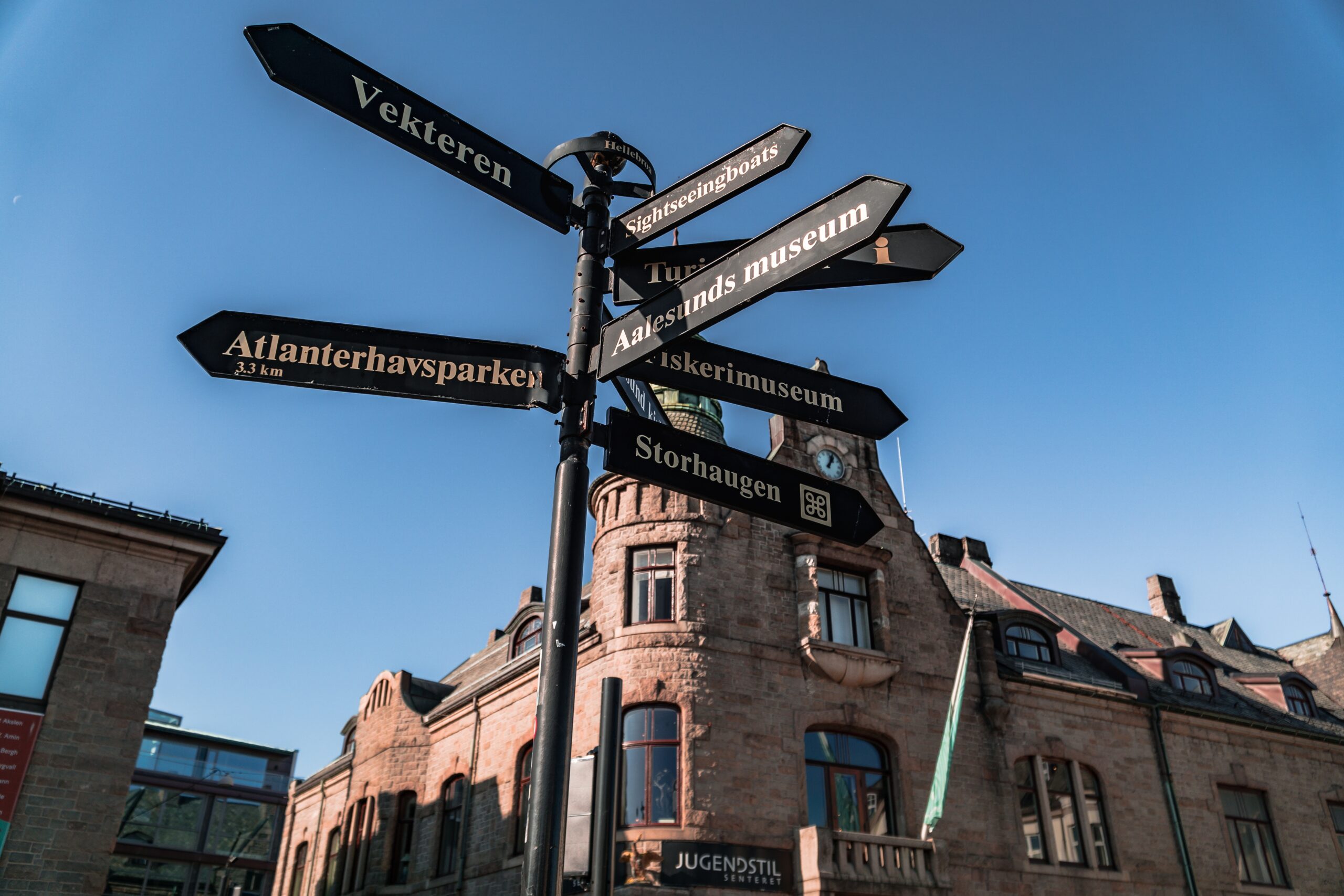
In recent decades, Norway has become a hotspot for contemporary architecture. The Oslo Opera House (Operahuset) by the architectural firm Snøhetta, opened in 2008, is a landmark of modern Norwegian architecture: visitors can walk up the sloping roof and stroll over the city. After the fire of Ålesund in 1904, the town was rebuilt in Art Nouveau style – a unique urban landscape that represents Norway's unique architectural character in its purest form. The National Museum of Art, Architecture and Design in Oslo, opened in 2022, unites the country's largest art collections.
Conclusion
Norway delights with a fascinating, often idiosyncratic culture strongly shaped by Viking tradition, a deep connection to nature (friluftsliv), Lutheran Christianity and modern egalitarian culture. From the unique Janteloven to the luminous midsummer bonfires to the cosy Christmas traditions – the Norwegian way of life is unique. Those who understand the cultural peculiarities of the country will understand Norway and its people far more quickly and learn to love them. Moving to Norway means becoming part of this unique way of life – from the everyday appreciation of nature to the relaxed work culture to the festive holidays. KOCH Moving Logistics stands by your side as an experienced partner to make your move to Norway smooth.
Our Norway moving service includes the following services:
- Export packaging of furniture
- Packing work complete
- Provision of packaging for overseas shipments
- Furniture dismantling
- Creation of a loading list with a number for each item
- Complete customs clearance export
- Container loading at your premises or pre-collection to our warehouse - depending on the situation
- Transportation from home/warehouse to port
- Sea freight from port to port
- Complete customs clearance import
- Transportation from port to home
- Unpacking the furniture
- Furniture assembly
- Disposal of packaging materials on the day of unloading
- Unpacking of the boxes on request - will be charged separately according to expenditure
- Terminal handling fees at the destination
- Return of the empty container to the port/terminal
KOCH Moving Logistics Ltd. offers both comprehensive service packages and individually bookable moving services for international moves to Norway. Additional services are also available upon request. Just ask us!
Based on the information you provide, we will prepare a customized and transparent offer.
Your relaxed move abroad
As a German company with over 120 years of experience, we know the special features that need to be considered when moving and ensure that your move goes quickly and smoothly.
Our moving company provides you with state-of-the-art equipment and high-quality packaging material to protect your valuables and furniture in the best possible way during transportation.
As one of the most successful moving companies in Germany, we offer you a first-class service at competitive prices. We understand that every move is unique and that's why we offer customized solutions tailored to your individual needs. Come and see us, KOCH Moving Logistics, our movers and our services for for yourself - and you will soon be one of our many satisfied regular customers.
Arrange a visit with one of our customer advisors.
KOCH Moving Logistics Ltd. will visit you on site and prepare a detailed offer for your moving to Norway.
To request advice or arrange an appointment, please call the company in Osnabrück on 0541 – 121 68 50.
Make an express request now!
Simply fill out our inquiry form and you will receive a non-binding offer for your moving to Finland. Our competent consultants will visit you on site or plan the move with you by phone. KOCH Moving Logistics Ltd. will coordinate further planning with you by phone or during an on-site appointment.
Your contact for international moves