Leisure and recreation in Sweden during your move with KOCH Moving Logistics
In addition to its economic strength, high standard of living and progressive labour market, Sweden also offers an impressive variety of leisure opportunities. Anyone planning a move to Sweden will find a wide range of natural experiences, cultural sights and urban leisure activities. From the water‑rich capital of Stockholm to the historic port cities of Gothenburg and Malmö to the Arctic expanses of Lapland – the country opens up different lifestyles and ways of relaxing. KOCH Moving Logistics GmbH supports you in preparing your new start in a structured way. This overview shows key leisure opportunities in Sweden in the context of an international relocation. All comparisons refer to the situation in Germany.
TRAVELLING IN SWEDEN: TIPS ON POPULAR DESTINATIONS
STOCKHOLM – THE CAPITAL ON 14 ISLANDS
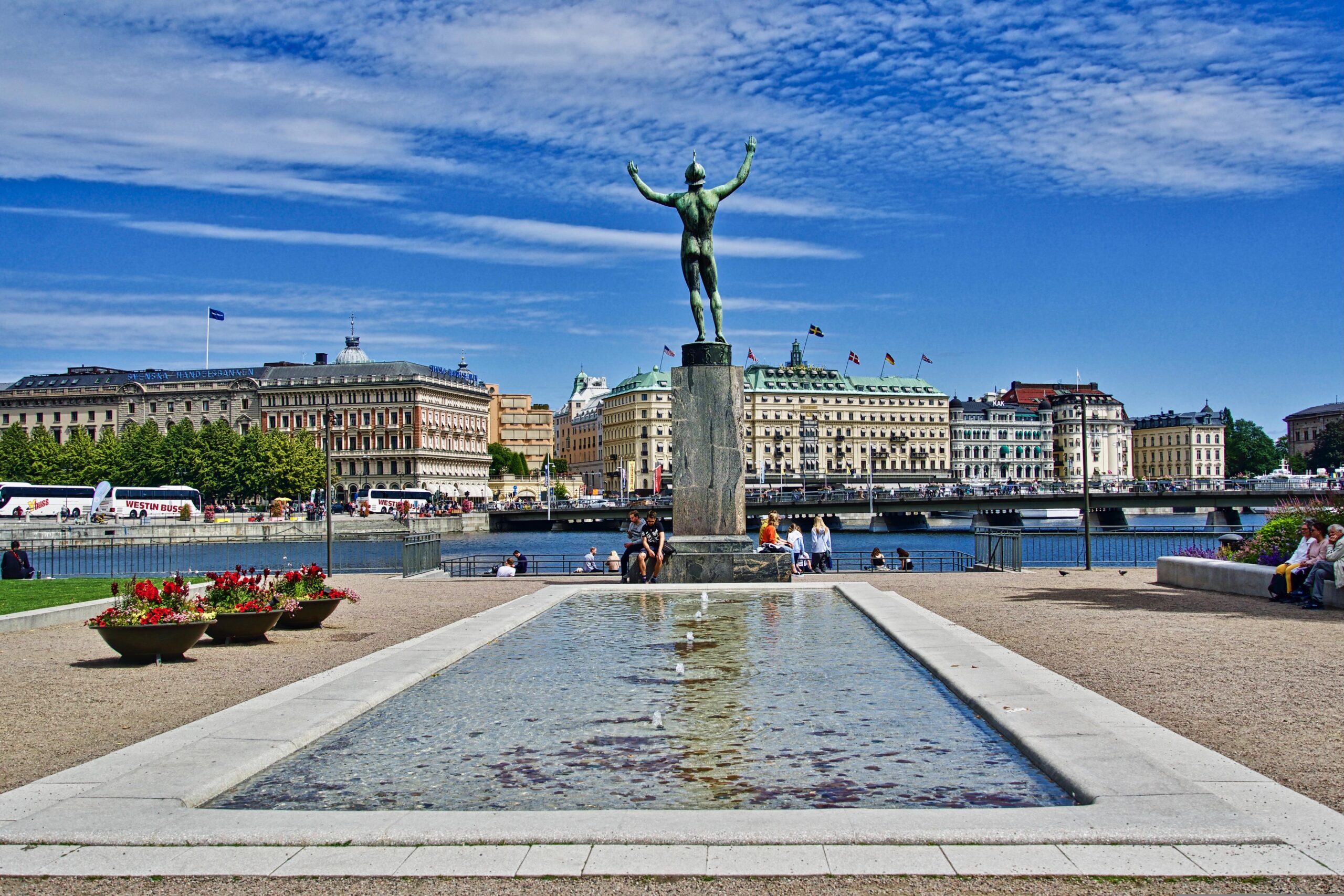
Stockholm, the capital of Sweden, is often called the "Venice of the North". The city stretches over 14 islands connected by over 50 bridges – a structure that does not exist in Germany in this form. The well‑preserved old town Gamla Stan with its cobbled alleys, pastel‑coloured houses from the 17th and 18th centuries and the Royal Palace is one of the best‑preserved medieval city centres in Europe. Unlike German old towns, which were often heavily destroyed and rebuilt, Gamla Stan is almost completely original. The Royal Palace, one of the largest residences in Europe with over 600 rooms, invites visitors to tour.
A true Stockholm experience is a boat tour through the Stockholm Archipelago. With over 30,000 islands, skerries and cliffs, it is the largest archipelago in the world – a natural backdrop that is unique in Germany. After just 30 minutes by boat, you reach the first islands such as Fjäderholmarna, a popular destination for locals and tourists. Boat tours are usually included in the public transport ticket – a service that does not exist in German cities in this form.
Art and design lovers will enjoy the Moderna Museet (Museum of Modern Art), which houses one of the best collections of contemporary art in Europe. Fotografiska (Photo Museum) shows internationally renowned temporary exhibitions. Those who appreciate Scandinavian design will find a paradise in the many design districts of Södermalm.
GOTHENBURG – MARITIME FLAIR AND CULINARY DELIGHTS
Gothenburg, the second largest city in Sweden, is a paradise for gourmets and seafood lovers. The city is known for its maritime atmosphere – the huge harbour is one of the largest in Scandinavia. Compared to the north German Hanseatic cities such as Hamburg or Lübeck, which also cherish their maritime heritage, Gothenburg impresses with a more relaxed, smaller atmosphere combined with a first‑class culinary scene. The Fish Market (Feskekôrka), housed in a church‑like building, offers a large selection of seafood – from fresh prawns and crabs to oysters and lobster.
Gothenburg is often called the culinary capital of Sweden. The city has more Michelin‑starred restaurants per capita than any other city in Sweden, including the renowned Sjömagasinet, known for its first‑class fish dishes. Another highlight is the Lisebergamusement park, one of the largest and most popular amusement parks in Scandinavia. Unlike the German Phantasialand or Heide Park, Liseberg is located right in the city centre and is extremely popular with both locals and tourists. During the Christmas season, the park transforms into one of the most beautiful Christmas markets in Europe.
MALMÖ – CULTURAL DIVERSITY AND THE FAMOUS BRIDGE
Malmö, the third largest city in Sweden, is located on the Öresund Bridge, which connects Sweden with Denmark – a spectacular structure that has no direct equivalent in Germany. The bridge is 7.8 kilometres long and a symbol of the close connection between Scandinavia and continental Europe. The city is known for its cultural and ethnic diversity. The most striking building is the Turning TorsoTurning Torso, a 190‑metre‑high residential tower twisted by 90 degrees, which with its modern architecture forms a strong contrast to traditional Swedish brick architecture. In Germany, there are comparable twisted residential towers, such as in Frankfurt.
The historic old town of Malmö, Gamla Väster, offers charming cobblestone streets, half‑timbered houses from the 16th century and the central Stortorget, one of Sweden's oldest squares. A visit to Malmöhus Malmöhus Castle, which today houses an art and cultural history museum, is also worthwhile.
DALARNA – THE HEART OF SWEDISH FOLK CULTURE
The Dalarna region in central Sweden is considered the heart of Swedish folk culture. The red wooden houses with white corners found throughout the country originally come from this region. The picturesque villages with their traditional wooden churches – many from the 17th and 18th centuries – offer an authentic insight into Swedish history. The Vasaloppet, the oldest, longest and largest cross‑country ski race in Scandinavia, runs annually from Sälen to Mora. With over 15,000 participants, it is one of the largest sporting events in the world – in Germany there is no comparable event of this magnitude.
The landscape of Dalarna is characterised by deep blue lakes, vast forests and gentle hills. Lake Siljan, formed over 360 million years ago by a meteorite impact, is the geographical centre of the region. In summer, the area invites long hikes and canoe trips; in winter, the well‑groomed cross‑country ski trails attract skiers.
NORTHERN SWEDEN – ARCTIC WILDERNESS, NORTHERN LIGHTS AND MIDNIGHT SUN
Northern Sweden, also known as Norrland, with its Arctic wilderness is the perfect destination for nature lovers and adventurers. The region is sparsely populated, and the nature is untouched. In winter, the landscape transforms into a winter wonderland with densely snow‑covered forests, frozen lakes and the fascinating opportunity to observe the northern lights (Aurora Borealis) – a natural phenomenon that does not exist in Germany in this form. The northern lights are most likely to be seen between September and March. In summer, north of the Arctic Circle, you experience the midnight sunwhere the sun does not set for weeks – a phenomenon that also does not occur in Germany.
Norrland is the land of the Sámi, the indigenous population of Scandinavia. Visitors can learn about Sámi culture, visit traditional reindeer herds and learn more about the ancient tradition of joik, Sámi singing. The Icehotel in Jukkasjärvi, rebuilt every year from snow and ice, is a world‑famous attraction and attracts visitors from all over the world. In Germany, there is no comparable accommodation of this kind. The city of Kirunais home to the world's largest underground iron ore mine. The entire city is being relocated due to mining – a unique undertaking.
OUTDOOR ACTIVITIES IN SWEDEN
HIKING: FROM GENTLE COASTAL PATHS TO THE LEGENDARY KUNGSLEDEN
Sweden has one of the best hiking trail networks in Europe. The most famous long‑distance trail is the Kungsleden (King's Trail) , which stretches 440 kilometres through the Arctic wilderness of Lapland. It passes through four national parks, past rugged mountains, glacial rivers and colourful forests. The northern stage from Abisko to Nikkaluokta is about 107 kilometres long and usually takes five to seven days. It leads through dramatic mountain landscapes, the Lapporten valley and at the foot of Kebnekaise, Sweden's highest mountain (2,104 metres). While many mountain huts are staffed in the German Alps, the Kungsleden is a true wilderness trekking trail. Accommodation is in simple, unmanned huts or tents. Thanks to the Right of Public Access (Allemansrätten), camping in the wilderness is permitted almost everywhere – a freedom that does not exist in Germany.
ANGLING: A PARADISE FOR ANGLERS
Sweden is a true angler's paradise. With almost 100,000 lakes, mighty rivers and a long coastline with thousands of islands, there are countless opportunities for fishing. The most sought‑after fish species include zander, perch, pike, trout, grayling and, in the north, the majestic Atlantic salmon. A major advantage: fishing on the Swedish sea coast is completely licence‑free and free of charge for everyone. This is a significant difference from Germany, where a paid fishing licence is generally required. For fishing in inland waters, a so‑called fiskekort (fishing card) is generally required, which can often be purchased online or on site. Many fishing camps offer direct access to the best fishing spots.
PADDLING: CANOE AND KAYAK TRIPS
With almost 100,000 lakes, mighty rivers and a long coastline, Sweden is a top destination for canoe and kayak trips. From the south to the north, there is a large selection of routes suitable even for beginners. Particularly popular are the regions of Värmland, Dalsland and Småland with their countless lakes connected by short portages, as well as the Stockholm Archipelago, ideal for day and multi‑day tours. The Dalsland Canal is one of the best waterways for canoe trips in Sweden. White water kayaking opportunities, on the other hand, are essentially limited to a few rivers in the north.
SKIING: FROM THE SLOPES OF LAPLAND TO CROSS‑COUNTRY TRAILS
Sweden is the home of skiing. The cradle of modern alpine skiing lies in Sweden, shaped significantly by skiing legend Ingemar Stenmark and others. The largest and best‑known ski resort is Åre, which has hosted the Alpine World Ski Championships several times. With 106 kilometres of slopes and 43 lifts, it is the largest ski resort in the country. Compared to the large German ski areas such as the Zugspitze region or the Black Forest, Åre offers greater vertical drops and longer snow reliability. Other popular ski resorts are Sälen (particularly family‑friendly, with over 100 slopes), Vemdalen and Idre Fjäll. In the far north, smaller ski areas such as Riksgränsen offer the opportunity for ski tours in spring under the midnight sun – an experience that exists nowhere else in the world.
CULINARY SPECIALITIES: FROM KÖTTBULLAR TO KANELBULLAR
Swedish cuisine is hearty, simple and strongly influenced by the seasons. Unlike in Germany, where cuisine is very different regionally, Swedish cuisine is more uniform nationwide and more strongly influenced by food preservation for the long winters.
Köttbullar – Swedish meatballs – are the national dish par excellence. They are traditionally made from a mixture of minced beef and pork, mixed with onions, breadcrumbs, egg and spices, formed into small balls and fried golden brown in butter. They are served with creamy sauce, mashed potatoes, lingonberries and pickled cucumber. They resemble German frikadellen or buletten, but taste different due to the creamy sauce and the sweet‑sour lingonberries.
Kanelbullar – cinnamon buns – are the epitome of Swedish pastries. Cinnamon buns are also popular in Germany, but in Sweden they are an integral part of fika(coffee break) – a social ritual where people sit together several times a day for coffee and sweet pastries. On 4 October, the National Cinnamon Bun Day is even celebrated. On that day, about 7 million cinnamon buns are sold within one day – with a population of 10 million people. Swedish kanelbullar are usually slightly less sweet and often contain cardamom in the dough, giving them a special aroma.
Gravlax – salmon cured with a mixture of sugar, salt and dill – is one of Sweden's most popular dishes. It is sliced thinly and often served with a mustard‑dill sauce (hovmästarsås). The preparation method differs from German smoked salmon, which is smoked and not just cured.
Swedish seafood – due to the long coastline, fresh seafood plays a major role. Particularly popular are prawns (räkor) – they are served on open sandwiches as räkmacka , with mayonnaise, dill and lemon. In the archipelago, crayfish (kräftor) are a highlight in August: then the traditional kräftskiva (crayfish parties) take place. The menu includes pickled herring (sill), crispbread, sour cream, chives, hard‑boiled eggs and fresh dill.
The Julbord – the Swedish Christmas buffet – is a culinary institution. It consists of a huge selection of traditional dishes: pickled herring in various variations, gravlax, smoked salmon, Christmas ham (julskinka), köttbullar, small sausages (prinskorv), Janssons frestelse (a creamy potato casserole with pickled anchovies), beetroot salad, various cheeses and, finally, vanilla rice pudding with orange slices. Unlike the German Christmas goose, the Julbord is a cold and warm buffet that is often enjoyed over several hours.
SWEDISH DESIGN AND ARCHITECTURE
Swedish design is world‑famous for its clarity, functionality and aesthetics. Unlike the German Bauhaus, which established a strict formal language, a warmer, nature‑connected and more humane design philosophy developed in Sweden. IKEA, the world's most successful furniture company, has made this concept known worldwide and exported its functional, space‑saving and democratic furniture all over the world. Other design classics such as the elegant glassware from Orrefors and Kosta Boda, the textiles by Josef Frank and the furniture by Bruno Mathsson are also highly regarded internationally.
The Swedish capital Stockholm is a paradise for design lovers. Moderna Museet(Museum of Modern Art) houses an impressive collection from classical modernism to the present day. The National Gallery shows Swedish and international art from the 16th century to the present day. The furniture stores and concept stores in the trendy districts of Södermalm and Östermalm are an Eldorado for interior design enthusiasts. A walk through the city's architecture reveals a mix of traditional Swedish brick architecture, Art Nouveau (Swedish Jugend) and modern glass and steel buildings. The Stadshuset (City Hall), where the Nobel Prize banquet is held, is a masterpiece of National Romantic architecture.
Conclusion
Sweden offers an impressive variety of leisure opportunities that are second to none in Europe. From the fascinating, water‑rich capital of Stockholm, to the culinary stronghold of Gothenburg, to the endless Arctic wilderness of the far north – the country holds the right experience for every taste. Whether ambitious hiker, enthusiastic angler, passionate skier or culture lover: those who emigrate to Sweden discover not only a new home but also a world full of discoveries and relaxation. The well‑developed network of hiking trails, the Right of Public Access (Allemansrätten) and the deeply rooted Swedish outdoor mentalitymake it easy to enjoy leisure time to the fullest. With KOCH Moving Logistics as your partner, you can focus on exploring your new life in this multifaceted country – your move is in the best hands with us.
Our Sweden moving service includes the following services:
- Export packaging of furniture
- Packing work complete
- Provision of packaging for overseas shipments
- Furniture dismantling
- Creation of a loading list with a number for each item
- Complete customs clearance export
- Container loading at your premises or pre-collection to our warehouse - depending on the situation
- Transportation from home/warehouse to port
- Sea freight from port to port
- Complete customs clearance import
- Transportation from port to home
- Unpacking the furniture
- Furniture assembly
- Disposal of packaging materials on the day of unloading
- Unpacking of the boxes on request - will be charged separately according to expenditure
- Terminal handling fees at the destination
- Return of the empty container to the port/terminal
You can book one of our all-round carefree packages for a stress-free move or take advantage of individual removal services. In addition to the removal services already mentioned, we also offer special services and additional services for removals of all kinds. Just ask us and together we will quickly find the optimal solution for any removal challenge, no matter how big or small. Send us an inquiry and we will prepare an individual offer for you.
Your relaxed move abroad
As a German company with over 120 years of experience, we know the special features that need to be considered when moving and ensure that your move goes quickly and smoothly.
Our moving company provides you with state-of-the-art equipment and high-quality packaging material to protect your valuables and furniture in the best possible way during transportation.
As one of the most successful moving companies in Germany, we offer you a first-class service at competitive prices. We understand that every move is unique and that's why we offer customized solutions tailored to your individual needs. Come and see us, KOCH Moving Logistics, our movers and our services for for yourself - and you will soon be one of our many satisfied regular customers.
Arrange a visit with one of our customer advisors.
Arrange an appointment with one of our customer advisors. We will be happy to visit you and provide you with a detailed quote for your move to Sweden that fits. If you need advice or have any questions, please contact us in Osnabrück on the following telephone number 0 541 – 121 68 50. We look forward to helping you!
Make an express request now!
Simply fill out our inquiry form and you will receive a non-binding offer for your move. Our competent consultants will visit you on site or plan the move with you by phone.
Your contact for international moves
Christian Braunschweig