Cultural characteristics of Austria: Discovering traditions and innovations
Austria is a country full of fascinating cultural traditions and modern innovations. For those planning a move to Austria, the country offers a versatile mix of history, customs and future technologies. This article provides you with a comprehensive overview of Austrian culture and is a helpful companion for your emigration plans with KOCH Moving Logistics.
Compared to Germany, Austrian culture is often more strongly characterised by a southern outlook on life, with a pronounced appreciation for joy of life, sociability and enjoyment. While both countries share a common German‑language base, Austria's distinctiveness is particularly evident in its diverse regional traditions and living customs, which are often cultivated more intensively in rural areas than north of the border.
Holidays and festivals
NATIONAL DAY ON 26TH OCTOBER
Austria celebrates its National Day on 26th October, which commemorates the country's permanent neutrality. On this day, numerous official ceremonies, wreath‑layings and receptions take place – in many places, the Federal Army and museums open their gates to visitors.
EASRER AND HOLY WEEK
In Holy Week and at Easter, Austria maintains many traditional customs that vary from region to region. These include palm blessings, palm processions, Easter food blessings, the creation of Easter graves, Easter fires and egg tapping. These customs are still deeply rooted, especially in rural areas, and invite participation.
CHRISTMAS MARKETS AND ADVENT
During Advent, Austrian cities and villages transform into pre‑Christmas fairy‑tale worlds. The Vienna Christkindlmärkte at Rathausplatz are world‑famous and attract visitors from all over the world every year. The classic Salzburg Christmas market, the romantic markets in Innsbruck or the peaceful Christmas villages in the Alps also offer an unforgettable pre‑Christmas experience. In German cities, Christmas markets are often larger and more commercialised, while in Austria the emphasis is more on traditional craftsmanship and a peaceful, family atmosphere.
IMSTER SCHEMENLAUFEN
The Imster Schemenlaufen in Tyrol is one of the most fascinating traditional customs in Austria and has been included by UNESCO in the list of intangible cultural heritage. Every four years, over 500 imaginatively costumed figures – including "Scheller", "Roller" and "Lagge" – parade through the streets of Imst with ringing bells and rhythmic jumps.
AUSTRIAN CUISINE
WIENER SCHNITZEL
Wiener Schnitzel is the best‑known Austrian dish and world‑famous. The thinly pounded veal cutlet is breaded in flour, egg and grated breadcrumbs and fried to a golden yellow in plenty of fat. Traditionally, it is served with potato salad or mixed salad.
TAFELSPITZ
Tafelspitz, a tender piece of boiled beef from the shank, is considered Austria's "national dish". It is cooked in a strong beef broth with root vegetables and classically served with apple horseradish, chive sauce and roast potatoes.
KAISERSCHMARRN
Kaiserschmarrn is a sweet flour dish that owes its name to Emperor Franz Joseph I. A shredded pancake refined with raisins and almonds is served with plum compote or apple sauce and sprinkled with icing sugar.
SACHERTORTE
Viennese coffee house culture
The Viennese coffee house is far more than just an establishment – it is an institution and has been a UNESCO cultural heritage site since 2011. The particular feature of Viennese coffee house culture compared to German cafés is the decelerated, almost ritualistic way of enjoyment: unlimited stay without any obligation to consume further, reading newspapers, and the unique coffee language ("Melange", "Einspänner", "Großer Brauner") make the visit a unique experience.
Technology and innovation
Austria has developed into a significant centre of innovation and is among the European leaders in research and development spending. With a total funding budget of €2.6 billion for nine designated key technologies from 2026 to 2029, the Austrian government is deliberately focusing on forward‑looking areas such as artificial intelligence, chip electronics, advanced materials and life sciences biotech.
In international comparison, Austria scores particularly with a strong, industry‑shaped research landscape. While Germany is largely characterised by large companies such as Volkswagen, Bosch or Siemens, Austria is distinguished by its particular innovative strength in the qualified mid‑market and in specialised technology clusters. The proximity of science and business has been deliberately institutionalised through funding programmes such as COMET, so that cutting‑edge research is more quickly transferred into marketable applications.
Tradition meets modernity
Austrian culture is characterised by a harmonious synthesis of traditional customs and modern technological impulses. Historic old towns with baroque facades, Gothic cathedrals and medieval castles are in lively dialogue with contemporary architecture, modern infrastructure and digital innovation. UNESCO has included numerous Austrian sites and traditions in its renowned lists.
In addition, Gmünd pottery as a traditional craft and the Styrian Junker as a living wine tradition are also part of Austria's intangible cultural heritage. In fact, more than 180 customs, craft techniques and oral traditions are now listed in Austria's UNESCO Inventory of Intangible Cultural Heritage – including indigo printing, the classical equestrian art of the Spanish Riding School, Viennese coffee house culture and avalanche warning systems. This recognised cultivation of living heritage also exists in Germany, but not to a comparable breadth nor as institutionally recognised.
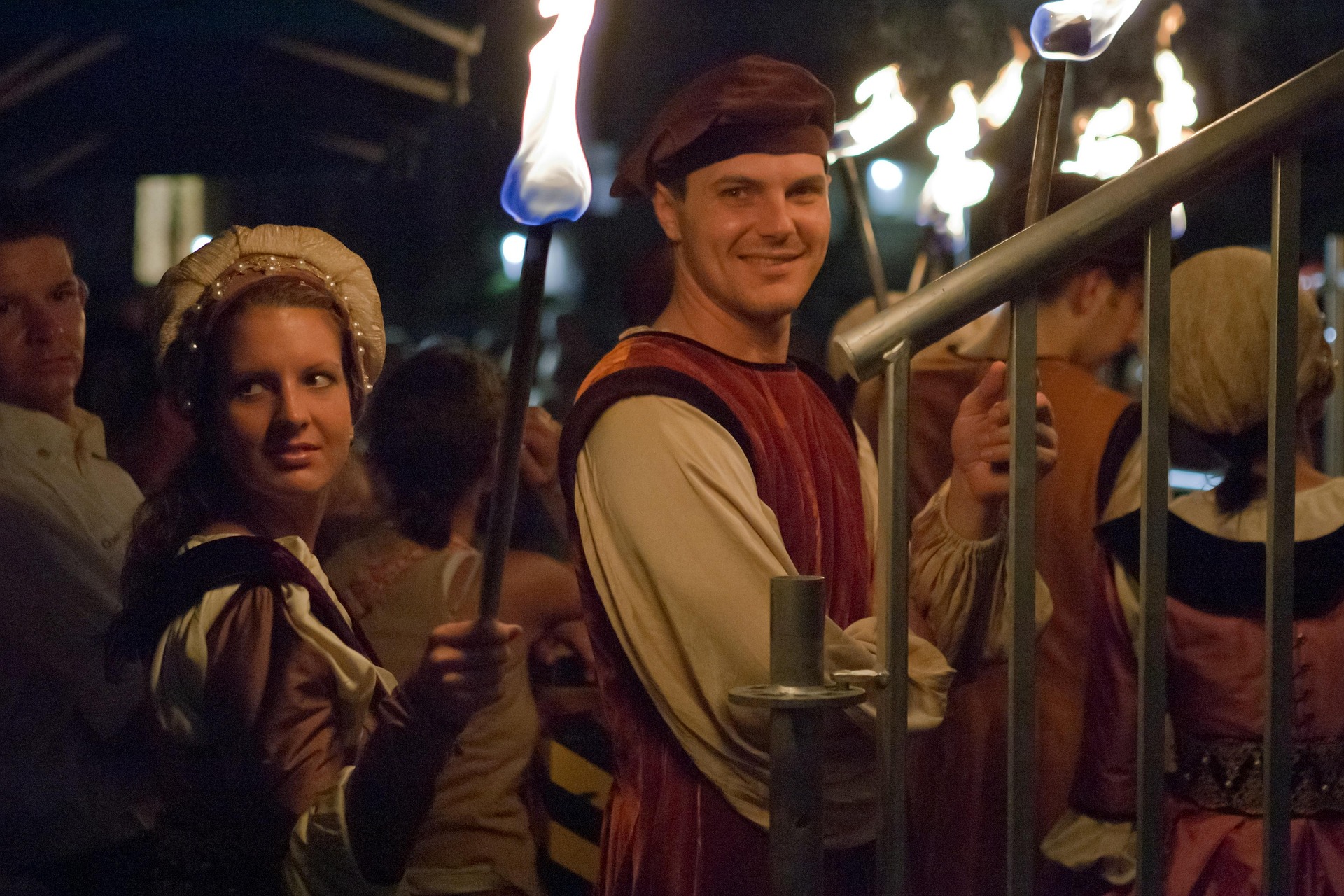
The traditions vary greatly between federal states: Tyrolean customs are shaped by cattle drives, torch dances and typical traditional costumes. Carinthia is known for its church days and the Slovene‑Carinthian minority culture. Vorarlberg preserves Alemannic customs and the original "Funken" – a huge Easter fire. In the Salzkammergut, the UNESCO World Heritage town of Hallstatt and contemporary art such as the Salzburg Festival and the modern Museum der Moderne in Salzburg meet. This strong anchoring of customs at the community level is a peculiarity that an emigrant will not find to the same density everywhere in Germany.
Conclusion
Moving to Austria with KOCH Moving Logistics gives you the opportunity to experience these cultural peculiarities up close and to settle in one of the culturally richest countries in Europe. Prepare for an exciting adventure and discover the diversity and beauty of Austrian culture.
Our Austria moving service includes the following services:
- Export packaging of furniture
- Packing work complete
- Provision of packaging for overseas shipments
- Furniture dismantling
- Creation of a loading list with a number for each item
- Complete customs clearance export
- Container loading at your premises or pre-collection to our warehouse - depending on the situation
- Transportation from home/warehouse to port
- Sea freight from port to port
- Complete customs clearance import
- Transportation from port to home
- Unpacking the furniture
- Furniture assembly
- Disposal of packaging materials on the day of unloading
- Unpacking of the boxes on request - will be charged separately according to expenditure
- Terminal handling fees at the destination
- Return of the empty container to the port/terminal
KOCH Moving Logistics Ltd. offers both comprehensive service packages and individually bookable moving services for international moves to Austria. Additional services are also available upon request. Just ask us!
Based on the information you provide, we will prepare a customized and transparent offer.

Your relaxed move abroad
As a German company with over 120 years of experience, we know the special features that need to be considered when moving and ensure that your move goes quickly and smoothly.
Our moving company provides you with state-of-the-art equipment and high-quality packaging material to protect your valuables and furniture in the best possible way during transportation.
As one of the most successful moving companies in Germany, we offer you a first-class service at competitive prices. We understand that every move is unique and that's why we offer customized solutions tailored to your individual needs. Come and see us, KOCH Moving Logistics, our movers and our services for for yourself - and you will soon be one of our many satisfied regular customers.
Arrange a visit with one of our customer advisors.
Arrange an appointment with one of our customer advisors. We will be happy to visit you and provide you with a detailed quote for your move to Austria that fits.
To request advice or arrange an appointment, please call the company in Osnabrück on 0541 – 121 68 50.
Make an express request now!
Simply fill out our inquiry form and you will receive a non-binding offer for your moving to Finland. Our competent consultants will visit you on site or plan the move with you by phone. KOCH Moving Logistics Ltd. will coordinate further planning with you by phone or during an on-site appointment.
Your contact for international moves